
Kubernetes Load Testing Best Practices
Plan Kubernetes load tests with clear workload models, isolated dependencies, and measured generator capacity. Compare tools and read results in context.
Browse 52 posts in this category
Plan Kubernetes load tests with clear workload models, isolated dependencies, and measured generator capacity. Compare tools and read results in context.

Compare Speedscale and k6 for Kubernetes load testing. Reuse captured requests, isolate dependencies, and evaluate CI gates with the same workload.

Load test one endpoint while keeping another steady. See how separate schedules and latency goals reveal slowdowns an overall average can hide.

A Kubeshark alternative that goes beyond observability. Stream live cluster traffic into proxymock, then replay or mock it locally from your laptop.

Test resilience with defined dependency faults, observable degraded behavior, stop conditions, and recovery criteria alongside representative load.
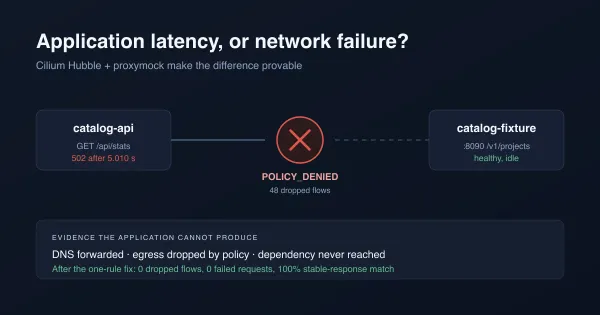
Use Cilium Hubble flow evidence and proxymock replay to prove whether a Kubernetes timeout came from your code, a dependency, or a dropped packet.

Compare Gatling and Speedscale for Kubernetes load tests. Evaluate scripts, recordings, dependency isolation, and CI results alongside existing tests.

Compare Speedscale and JMeter for Kubernetes load testing. Check test setup, retained plans, dependency mocks, CI gates, and performance evidence.
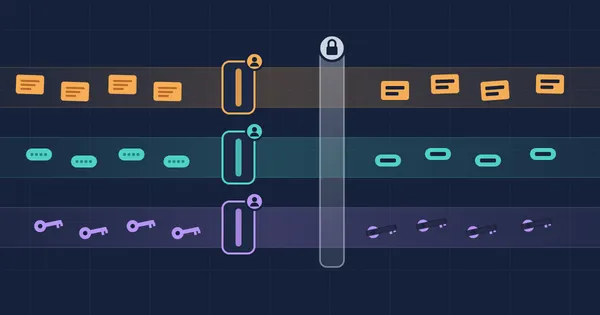
One forwarder, many teams, one DLP rule nobody wants to touch. Scoped group rules let each team own its redaction. How-to for proxymock web and Speedscale.
Choose the desktop proxymock or the hosted cloud trial to get started.