
k6 tutorial: captured traffic with mocked backends
Capture API traffic with Speedscale, export a k6 load scenario, and mock backend dependencies in Kubernetes with speedctl or locally with proxymock.
Browse 76 posts in this category
Capture API traffic with Speedscale, export a k6 load scenario, and mock backend dependencies in Kubernetes with speedctl or locally with proxymock.

Compare Istio traffic mirroring with Speedscale replay in Kubernetes. Use capture, redaction, and dependency isolation for repeatable regression tests.

A rebuilt 2026 guide to Postman alternatives. Which API clients are still maintained, what they cost, and which one fits local-first, gRPC, or team workflows.

Spring Boot upgrades silently change JSON contracts and autoconfiguration. Use traffic replay to catch every regression before production.
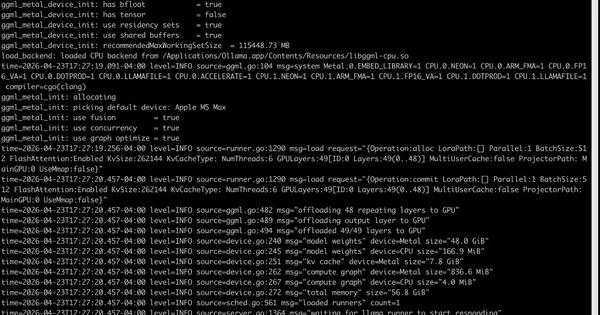
A practical hybrid workflow that uses costly LLM APIs for planning and local models (via Ollama + OpenCode) for execution, guarded by deterministic evals.
UI synthetics only tell you something is broken. Traffic replay per microservice isolates failures before any human walks up. Zero scripts required.
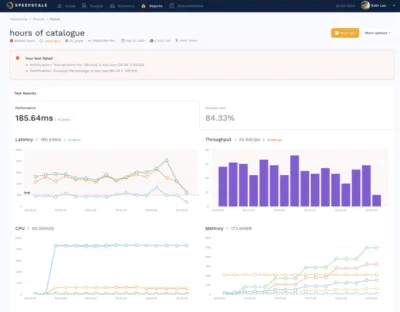
Learn the 4 golden signals — latency, traffic, errors, and saturation — and how to use them for monitoring, alerting, and pre-release testing.
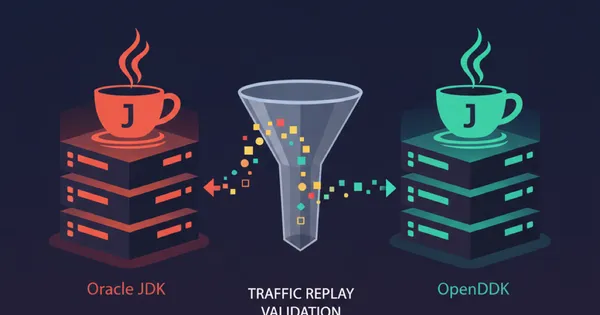
Record production traffic on Oracle JDK, replay it on OpenJDK, and catch every regression before users do. A step-by-step Speedscale guide.

What do good tests look like, and do you even need a Golang testing framework? It’s a loaded question with an open answer.
Choose the desktop proxymock or the hosted cloud trial to get started.