
Mock vs stub: differences and testing examples
A stub supplies responses; a mock verifies interactions. Compare both with runnable Python examples and learn when API traffic mocks help.
Latest insights on Agentic AI workflows, cloud native architectures, and performance optimization best practices from the Speedscale team.
Search answers across the full blog library
A stub supplies responses; a mock verifies interactions. Compare both with runnable Python examples and learn when API traffic mocks help.

Run a Postman performance test, choose virtual users, inspect latency and errors, and isolate dependencies with recorded API mocks.

Capture API traffic with Speedscale, export a k6 load scenario, and mock backend dependencies in Kubernetes with speedctl or locally with proxymock.

Compare Istio traffic mirroring with Speedscale replay in Kubernetes. Use capture, redaction, and dependency isolation for repeatable regression tests.

Compare HTTP stubs, request verification, and recorded dependency mocks. Choose WireMock, MockServer, or proxymock for your Java API tests.

Capture one service's API traffic, replay it against a Kubernetes test workload, and use the report to tell a regression from a replay setup problem.
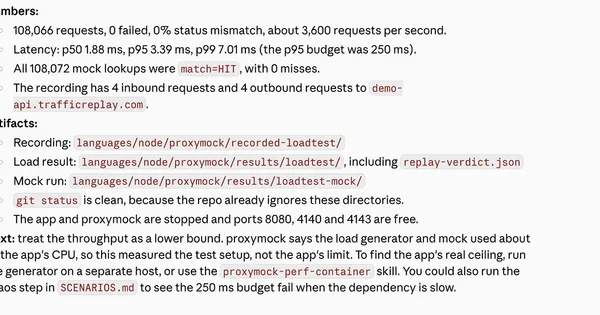
Start holiday readiness with a local proxymock load test. Use agent skills to record a Node app, mock its API dependency, and inspect the results.
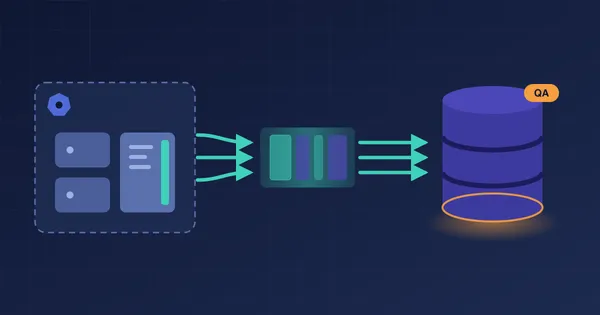
Record the queries your app sends to PostgreSQL in Kubernetes, then replay them against a QA database as a load and regression test. No scripts to write.
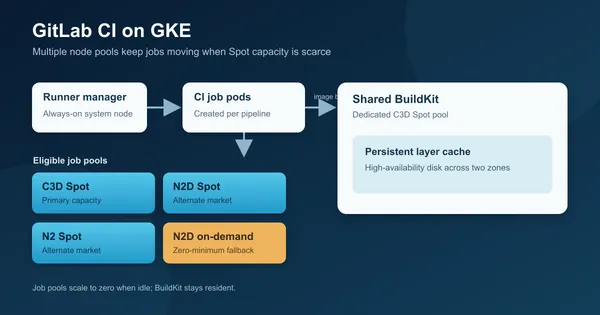
How we moved GitLab CI to GKE with shared BuildKit caching, multiple Spot machine types, and an on-demand fallback for scarce capacity.

Replay your app's recorded MySQL statements against 8.4 to catch upgrade regressions, then load test the database with the same workload using proxymock.