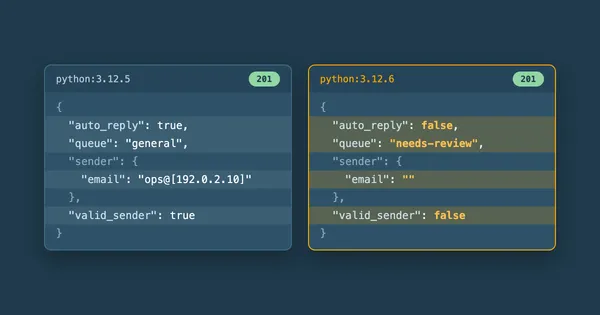
How to Test a Runtime Security Patch with Recorded Traffic
PHP, Java and Ruby shipped emergency patches inside four weeks. Replay recorded traffic against the patched image to see what changed before you ship.
Co-founder and CEO of Speedscale, passionate about performance engineering. • 9 posts published
PHP, Java and Ruby shipped emergency patches inside four weeks. Replay recorded traffic against the patched image to see what changed before you ship.
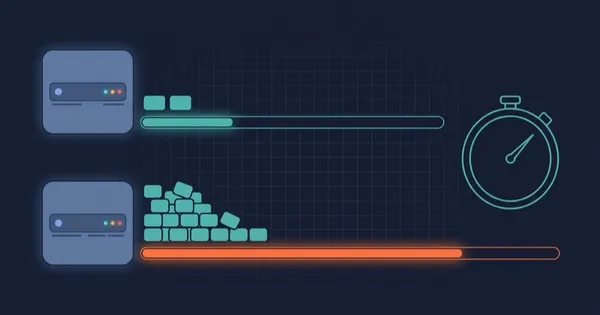
Differential testing sends the same requests to two versions of a service and compares the results. Here's how to run it on APIs and microservices with recorded traffic and mocked dependencies.
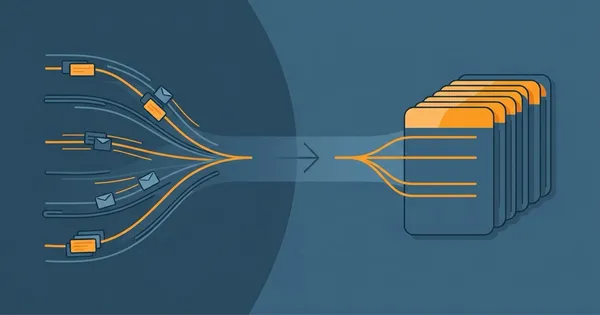
Generate WireMock mappings from recorded HTTP traffic. Review matching fields, sensitive values, eligible pairs, and custom changes before reuse.

We searched our own API traffic for gRPC errors hiding behind HTTP 200 and found five dashboard bugs that showed an empty screen instead of an error.
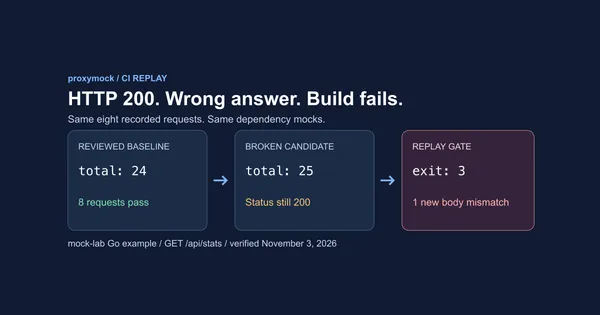
Run recorded API mocks in GitHub Actions with proxymock. Use the existing Go demo, check response bodies, and connect the job to a reviewed replay baseline.
Production AI spend gets attention. Non-prod LLM calls in development, CI, and load tests often do not. Simulation fixes that.

Most flaky test fixes focus on retries and quarantine. The real fix is replacing hand-written test data with recorded traffic that stays fresh.

Compare WireMock alternatives by task: recorded mocks and replay with proxymock, HTTP expectations with MockServer, or contract-driven mocks with Microcks.
Create ephemeral environments when deployed testing adds value. Version test data, define ownership and expiry, and verify cleanup of external resources.
Choose the desktop proxymock or the hosted cloud trial to get started.