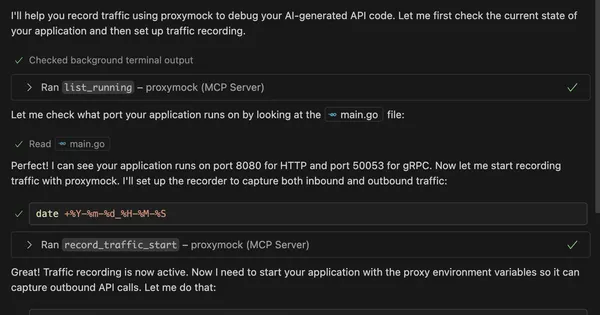
The Developer’s Guide to Debugging AI-Generated Code
Debug AI-generated code with proxymock: reproduce failing API calls, inspect response differences, preserve the baseline, and verify fixes before release.
Browse 54 posts in this category
Debug AI-generated code with proxymock: reproduce failing API calls, inspect response differences, preserve the baseline, and verify fixes before release.
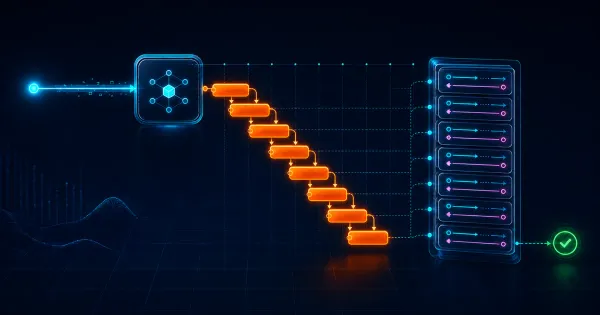
Diagnose serial N+1 API calls with Tempo and proxymock. Replay recorded traffic, inspect trace windows, and prove a concurrency fix preserves behavior.
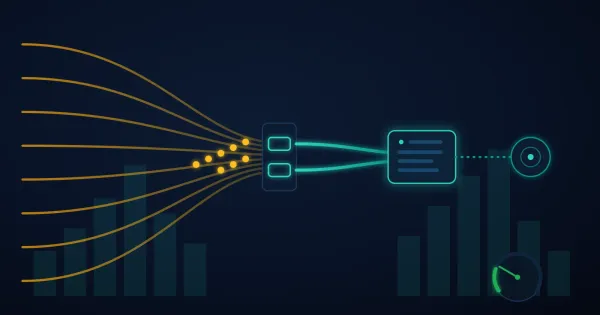
Diagnose a p95 latency regression that CPU profiling cannot explain using Prometheus histograms, then prove the fix with identical proxymock replays.
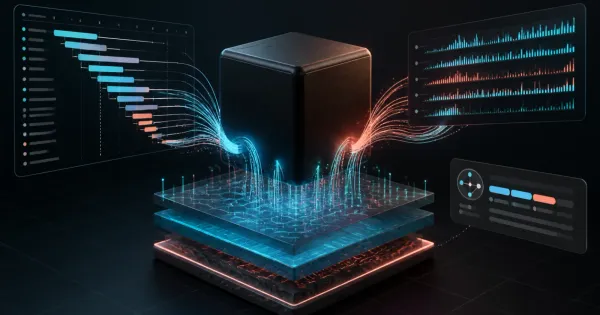
Discover endpoints, RED metrics, and traces in an opaque Kubernetes service with OpenTelemetry eBPF Instrumentation, then replay traffic with proxymock.
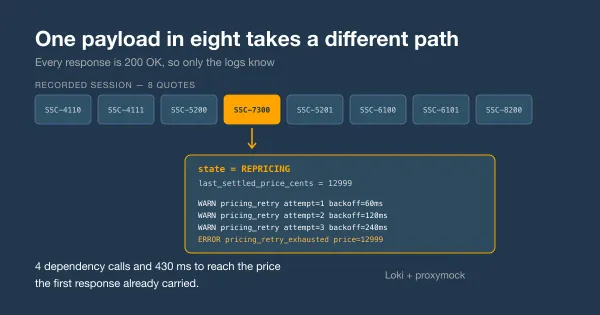
Find the rare payload that sends a service down a retry path, correlate it to the recorded response, and prove the fix with proxymock replay.
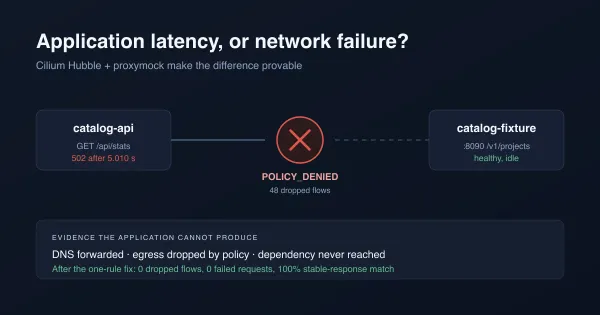
Use Cilium Hubble flow evidence and proxymock replay to prove whether a Kubernetes timeout came from your code, a dependency, or a dropped packet.
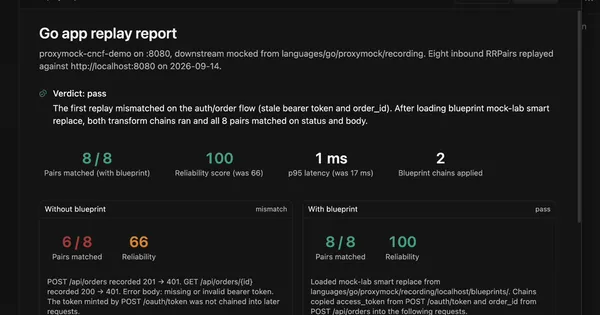
Have your coding agent test AI-generated code with proxymock: capture working API traffic, replay it against changes, and inspect the results.
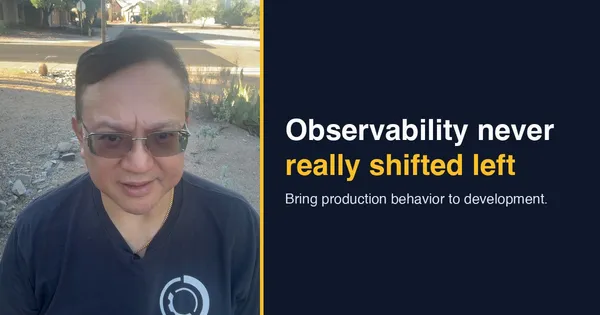
We shifted testing, security, and CI/CD left. Observability stayed in production. With AI writing code faster, validation is the bottleneck.

See why reliability engineering must span code, testing, telemetry, and incidents as AI agents erase the boundary between pre-production and production.
Choose the desktop proxymock or the hosted cloud trial to get started.